
Why Strength Training After 30 Is Essential for Long-Term Health
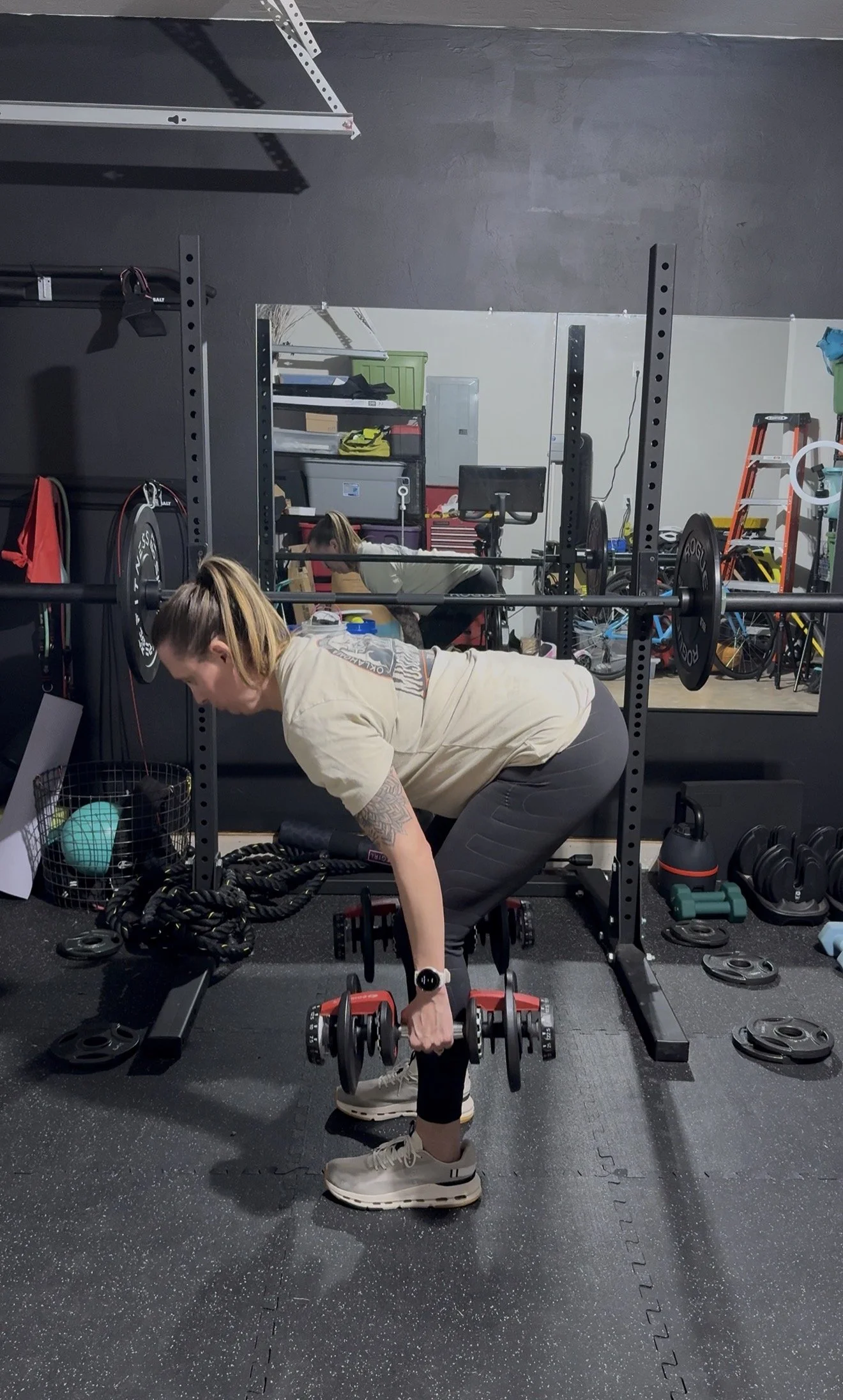
At some point in your 30s, your body starts to feel different.
Recovery takes a little longer. Stiffness shows up more often. What once worked for weight loss or fitness may no longer have the same effect. This shift can feel frustrating, but it’s also completely normal.
It isn’t a sign that your body is failing you. It’s a sign that your body needs a different approach.
As our bodies, metabolism, and hormones change. Strength training becomes more important. Not because you’re “aging,” but because your lifestyle, stress levels, and responsibilities have changed. Your training needs to support your life, not compete with it.
Strength Training Isn’t Just About Burning Calories
Many people lean heavily on cardio because it feels familiar or productive. While cardio has its place (hello VO2max), strength training creates changes that last beyond the workout itself.
Lifting weights helps build and preserve lean muscle, which plays a key role in how your body uses energy. It supports joints and connective tissue, improves bone density, improves posture, and makes everyday movements—like carrying groceries or playing with your kids—feel easier.
Over time, strength training builds confidence not just in how you look, but in how your body functions. When you pair your strength training with a solid nutrition plan, your body will respond with fat loss, muscle growth, and better overall health.
How Strength Training Works for Real People
Strength training after 30 looks different for everyone, and that’s exactly how it should be.
Some people are rebuilding after injury or surgery. Others are managing stress, hormonal shifts, or years of inconsistent training. Many couples are trying to stay consistent together while balancing work, family, and shared routines.
The goal isn’t to train the same way—it’s to build a foundation while honoring individual needs. The movements stay similar, but the load, intensity, and progression are tailored to the person.
Progress comes from consistency, not comparison.
Training Smarter Is the Key to Longevity
One of the biggest mindset shifts is learning that doing more isn’t always better. Progress comes from doing what your body can recover from and repeating it consistently.
Strength training should challenge you, but it should also leave you feeling capable, not depleted. Recovery, proper form, and gradual progression are what make training sustainable over time.
This approach not only reduces injury risk, it also makes fitness something you can maintain through busy seasons instead of something that constantly falls off.
Strength Training as a Long-Term Investment
When strength training is done well, it stops being about quick results and starts becoming an investment in your future.
It helps you move better, feel stronger, and stay active for the people who matter most to you. It supports fat loss without extreme restriction and builds a body that adapts to life instead of fighting against it.
This is how we coach strength training at Layden Fitness Co.—with intention, flexibility, and long-term success in mind.
Ready to Strength Train With Support?
If you’re looking for a strength training approach that fits your life, adapts to your needs, and supports long-term progress, we’d love to help.
You can start with our Momentum Method or apply for 1:1 online coaching to build strength in a way that feels sustainable and empowering ❤️